Highlands Ranch Neighborhood Comparison for Move-Up Buyers
June 25, 2026
June 25, 2026
If you are moving up in Highlands Ranch, the choice is not just about getting more square footage. It is about finding the right mix of home style, lot size, recreation access, trails, fees, and day-to-day convenience. When you understand how the main neighborhoods differ, you can narrow your search faster and make a smarter move. Let’s dive in.
Highlands Ranch is a 22,000-acre master-planned community with about 103,000 residents. It is part of unincorporated Douglas County, which means services are shared across groups like the Highlands Ranch Community Association, the Highlands Ranch Metro District, Douglas County, and other partners.
For you as a move-up buyer, that matters because neighborhood differences are not always obvious at first glance. You are not comparing separate cities inside Highlands Ranch. You are comparing pockets within one larger community that share many amenities, while still offering different housing eras, lot patterns, pricing, and HOA structures.
When you are buying your next home, your priorities often shift. You may want more living space, a better layout, a larger yard, easier access to trails, or a neighborhood that better fits your daily routine.
In Highlands Ranch, the biggest differences usually come down to a few practical questions:
That is why it helps to look at each neighborhood through a move-up lens instead of just scanning listings online.
One reason Highlands Ranch stays popular with move-up buyers is the amenity base. The Metro District highlights 26 parks, more than 70 miles of trails, and 2,644 acres of open space.
The trail system is a community-wide strength, so the real question is usually not whether a neighborhood has outdoor access. It is which trail access points and open-space connections will feel most convenient for your routine.
The four HRCA recreation centers also play a big role in neighborhood appeal. While all are member facilities, each one has a different feel and feature set.
If your household will actually use these amenities, proximity can matter as much as the home itself.
Northridge is the oldest core area of Highlands Ranch. The first homes in the community were occupied in 1981, and median build dates in Northridge are around 1991.
For many move-up buyers, the appeal is the established feel. You will often find mature landscaping, multi-story homes from the 1980s through the 2000s, and lot sizes that may feel larger than some newer suburban sections.
Pricing has recently landed around the low-to-mid $700,000s, with Homes.com reporting a median sale price of $692,500 over the last 12 months. That can make Northridge a strong option if you want more house or lot without jumping to the highest price tier in Highlands Ranch.
Another plus is convenience to the Northridge Rec Center on South Broadway. If you want the original recreation hub nearby, this area stands out.
Eastridge tends to feel a bit newer than Northridge, with a median year built around 1996. The housing mix is broader here, including modern contemporary, new traditional, and ranch-style homes.
For move-up buyers, that variety can be useful. You may find larger lots, different floor plan options, and a wider spread of price points than in some more uniform neighborhoods.
Recent pricing has clustered in the mid-$600,000s overall, with Homes.com reporting a median sale price of $641,000. It also reported median single-family sales around $693,425 and townhome sales around $527,500.
Eastridge also benefits from strong centrality. The Eastridge Rec Center, Falcon Park, Cheese Ranch Historic & Natural Area, Wildcat Ridge Park, and South Broadway shopping and dining all support a lifestyle that feels connected and convenient.
Westridge often appeals to buyers who want a classic suburban setup. Ranch-style homes are especially common, along with two-story homes that may include finished basements and larger private backyards.
If your move-up goal is a more traditional lot-and-house formula, Westridge deserves a close look. It can offer the kind of indoor and outdoor space that many buyers prioritize when they are ready for a next-step home.
Redfin’s May 2026 data showed a median sale price of $732,754. It also showed homes selling in about 12 days with a 99.3% sale-to-list ratio, which suggests steady demand.
Westridge adds practical convenience as well. The Westridge Rec Center offers indoor turf, six outdoor pickleball courts, and batting cages, and the area is well positioned for access to the town center and nearby hospitals.
Southridge is often seen as one of the newer-feeling parts of core Highlands Ranch. The median year built is around 2002, and the housing mix includes smaller 1990s homes as well as larger early-2000s homes.
For move-up buyers, that can mean a better chance of finding more current layouts and a newer overall streetscape. Modern Craftsman is the dominant style noted in this area, which may appeal if you want a home that feels a little less tied to the earliest Highlands Ranch building eras.
Homes.com reported a median sale price of $770,000 over the last 12 months. Firelight at Highlands Ranch, a sub-area within Southridge, has recently shown median home and listing prices in the low-to-mid $700,000s.
This area is especially attractive if trail access is high on your list. Firelight Trail runs through the subdivision, and Southridge Rec Center plus nearby Bluffs Regional Park make this pocket feel outdoor-oriented.
One important note is that Southridge and Firelight can vary more section by section. There are multiple HOAs and community groups here, so it is worth confirming exactly what applies to the address you are considering.
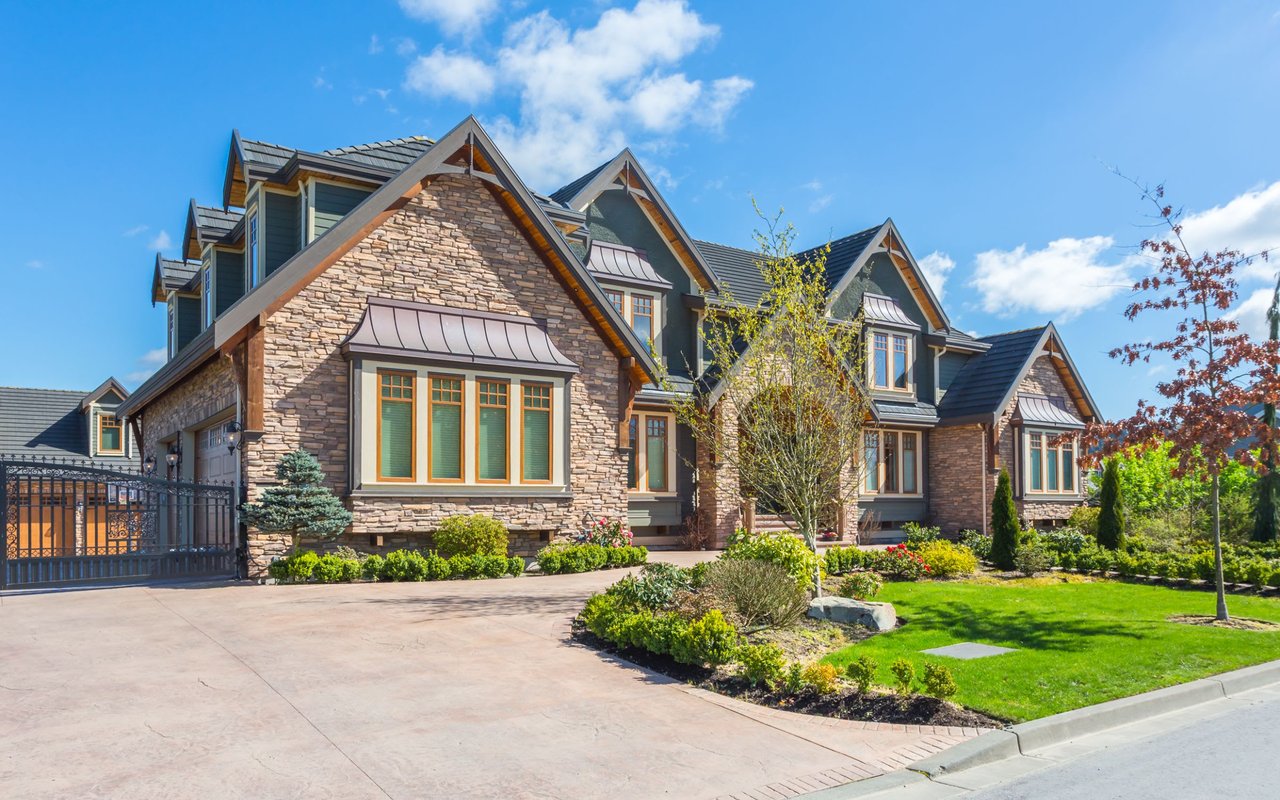
If you are looking for Highlands Ranch’s clearest luxury move-up choice, BackCountry stands apart. The gated community opened in 2007 and spans about 1,100 acres.
Its outdoor identity is a major draw. The broader Backcountry Wilderness Area includes 8,200 acres of conservation space and 26 miles of trails, giving this area a more private outdoor-lifestyle feel than a standard subdivision.
BackCountry also sits in a different price tier. Recent Redfin data showed a median sale price around $1.63 million, far above the rest of Highlands Ranch.
For the right buyer, that premium may line up with the goal of getting newer construction, a higher-end product, and a more distinct neighborhood setting. It is also important to remember that BackCountry is a sub-association with its own management, so carrying costs and neighborhood rules should be reviewed carefully.
One of the biggest mistakes move-up buyers make is focusing only on mortgage payment and taxes. In Highlands Ranch, HOA structure can change your monthly cost more than you might expect.
HRCA is the homeowners association for Highlands Ranch, and its 2026 assessment is $696 per year, or $174 per quarter. HRCA handles functions such as covenant enforcement, billing and collections, accounting, recreation facilities, and Backcountry Wilderness Area operations.
Some neighborhoods also have separate sub-associations with their own boards and added fees. HRCA lists examples including Backcountry, Firelight at Highlands Ranch, Bradford Hills, Palomino Park, and Westridge Knolls.
The Metro District also matters because it functions as the local government for roads and landscaping, parks and trails, open space, storm drainage, water and wastewater, community events, senior services, and the mansion. It is funded primarily by property taxes, so your total ownership cost should account for both HOA structure and the broader special-district setup.
The best Highlands Ranch neighborhood for you depends on what kind of move-up you are really making. If you want an established setting and potentially larger lots, Northridge may fit. If you want variety and central convenience, Eastridge may be a better match.
If you want a more traditional suburban lot and backyard setup, Westridge stands out. If you want a newer-feeling section with strong trail access, Southridge or Firelight may rise to the top. If your search is focused on luxury and premium outdoor access, BackCountry is in its own category.
As you compare options, it helps to ask a few direct questions:
Those questions can quickly separate a home that only looks good online from one that actually supports your next stage of life.
In Highlands Ranch, neighborhood differences are real, but they are more nuanced than many buyers expect. You are usually not choosing between good and bad areas. You are choosing between different housing eras, amenity patterns, lot styles, price bands, and fee structures inside a very established master-planned community.
That is exactly why local guidance matters. When you line up the home, the neighborhood, the rec center, the trails, and the full monthly cost, your decision gets much clearer.
If you want help comparing Highlands Ranch neighborhoods from a practical move-up perspective, reach out to Mike Bomgaars. He can help you narrow the right pocket, understand the trade-offs, and move with confidence.
Mike Bomgaars is dedicated to helping you find the perfect home or sell for top value. With years of experience and a commitment to honest, hardworking service, he’s ready to guide you through every step of your real estate journey.