Selling your Littleton home while juggling school pickups, soccer practice, and pet care can feel like a lot. You want a strong sale without turning daily life upside down. In this guide, you’ll get a simple plan tailored to Littleton families: smart timing around the school calendar, family-friendly showing strategies, high‑impact staging, and local rules to know. Let’s dive in.
Littleton market basics for families
Littleton’s market in early 2026 looks roughly balanced, with many single-family homes selling around the mid‑$600Ks. Some reports placed recent medians near $615K, with others in the $620K to $645K range. Neighborhoods vary, so set expectations by your price tier and block-level comps, not citywide averages. A targeted CMA and days-on-market trends for your ZIP will guide pricing and timing.
Pick timing around the school year
Spring into early summer is often the strongest window for price and activity. National analyses have shown a late‑May listing premium in many markets. For families, that lines up with buyers who want to close before school starts. Use the district calendar to plan your target closing and work backward.
Prime‑price plan: list early spring
If your goal is maximizing your sale price and speed:
- Prepare during winter. Tackle repairs, declutter, and pre-stage key rooms by March.
- List by mid‑spring to position for a mid‑May visibility bump. That gives time to market, gather feedback, and negotiate.
- Aim to be under contract in June with a July closing. Typical financed closings take about 30 to 45 days, which aligns well with summer moves.
Minimize‑disruption plan: close in summer
If your top priority is a smooth move during summer break:
- List in late spring and target a late July closing so you can move in early August.
- Book movers and storage early. Summer is peak moving season, and services cost more and book out faster, as industry relocation guidance notes.
- Ask your agent to negotiate flexible possession, such as a short rent‑back, when appropriate.
Fall or winter alternative
Life happens. If spring does not work, fall and winter can still deliver results. There are usually fewer competing listings, even though the buyer pool is smaller. A well‑priced, well‑staged home can stand out in any season.
Make showings family‑friendly
You can keep life running and still give buyers a great experience. A few small process tweaks go a long way.
Stack and schedule strategically
Work with your agent to set daily showing windows and cluster appointments. For example, 9 to 11 a.m. and 4 to 7 p.m. can reduce how often you need to step out. Electronic showing systems and a lockbox make coordination smoother for everyone. These simple habits are widely recommended in seller prep guides such as Homelight’s overview of what to do to sell.
Use strong digital marketing
Professional photos, a clear floor plan, and a 3D or video tour help buyers pre‑qualify themselves online. That often means fewer in‑person visits and more focused showings.
Plan for kids and pets
- Kids: When you can, schedule showings during school, a playdate, or a quick park outing. Keep a small “show kit” near the door with wipes, a basket for toys, a quick-sweep tool, and snacks to reset fast.
- Pets: Remove animals during showings and clear beds, bowls, and litter areas. Pets can create safety and allergy concerns for some buyers. Many agents advise off‑site care during show times, as noted in seller tips that highlight pet considerations.
Quick pre‑show checklist
- Secure valuables and medications.
- Clear counters, make beds, put laundry away, and open blinds.
- Run a quick vacuum and address any cooking or pet odors. Guidance like Homelight’s seller checklist reinforces these fast fixes.
Stage and declutter in phases
A focused plan helps you maintain order while creating that “move‑in‑ready” feel buyers love.
Why staging matters
According to the National Association of REALTORS® 2025 Profile of Home Staging, nearly half of listing agents observed staging reduced time on market, and about 29% reported a 1 to 10 percent uplift in offer value. With a busy household, targeted staging in a few high‑impact rooms can pay off.
6–10 week prep plan
- Weeks 6–10: Walk every room with your agent to create a prioritized fix list. Simple items like paint touch‑ups, caulking, fresh light bulbs, and tightened hardware reduce buyer uncertainty. Book contractors early in spring and summer when schedules fill fast.
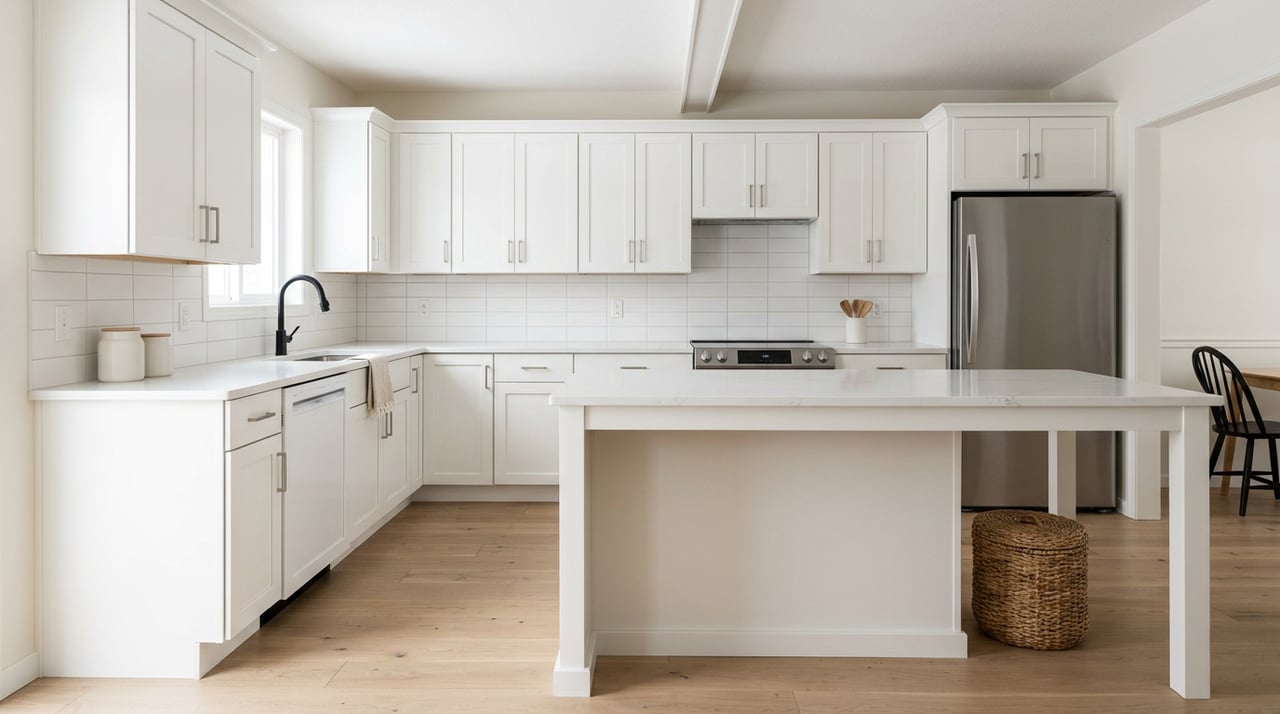
- Weeks 4–6: Declutter in phases. Start with high‑impact rooms like the living room, kitchen, and primary bedroom. Clear counters, thin furniture for flow, and remove personal photos. For playrooms and offices, use labeled bins and consider short‑term storage for oversized items. Pack seasonal closets and move boxes to a garage zone or storage unit.
- Weeks 1–2: Final staging and photos. Keep styling minimal and tidy: neutral bedding, clear surfaces, and a few warm accents. If moving family furniture is tough, consider a hybrid approach where the main living areas are physically staged and secondary rooms are virtually staged. The NAR staging profile notes the growing role of virtual tools.
- While listed: Adopt a daily 15‑minute tidy habit. Make beds, reset counters, corral toys and shoes, and keep pet items out of sight. Keep a “show bin” by the door so you can head out quickly.
Budgeting the effort
If your time is limited, invest in the rooms buyers focus on first: living room, kitchen, and the primary bedroom. Virtual staging can stretch your budget, especially for rooms that are hard to keep photo‑ready.
Disclosures and local rules to know
Colorado has clear requirements that help protect everyone in the transaction. Plan for these early so there are no surprises later.
Radon information disclosure
Colorado’s SB23‑206 requires sellers to disclose known radon information and provide radon materials during a residential sale. If you have past test results or mitigation records, you must share them. See the state bill summary for details on the radon disclosure requirement. You are not required to test, but you do need to disclose known information.
Lead‑based paint in older homes
If your home was built before 1978, federal law requires a lead‑hazard disclosure and an EPA pamphlet for buyers. Colorado provides seller forms for this process. Review the state’s lead‑based paint obligations to understand what you will need to deliver.
Taxes, assessments, and closing math
Arapahoe County publishes FAQs on assessments, exemptions, and how taxes are handled. These details affect your net proceeds and the way taxes are prorated at closing. Visit the county’s frequently asked questions to review how assessments work and what to expect.
Storage containers and street rules
If you plan to use a temporary storage container or leave a moving truck on the street, check municipal rules first. Contact Code Compliance to confirm what is allowed so you can avoid fines or removal. Start here: Littleton Code Compliance.
A simple timeline that works
- Prep window: 6 to 10 weeks for repairs, decluttering, and staging.
- Listing to contract: Many well‑priced, staged homes in Littleton have recently gone under contract in roughly 2 to 6 weeks, depending on property type and neighborhood.
- Contract to close: Plan 30 to 45 days for financed buyers. To be in your next home by early August, a late July closing is often ideal. That means targeting a June contract and listing by mid‑May, with calendar adjustments for your price tier and buyer financing.
Quick Littleton family checklist
- 8–10 weeks before listing: Agent walk‑through, contractor quotes, pricing strategy.
- 6–8 weeks: Begin packing nonessentials and book any large repairs. If you plan a POD or on‑street storage, confirm rules with Littleton Code Compliance.
- 4–6 weeks: Deep clean, stage high‑impact rooms, schedule professional photos and any virtual tour.
- 2–4 weeks: Finalize showing windows, line up childcare and pet care, prep your show kit and lockbox notes.
- While listed: Keep a daily reset routine and respond quickly to agent feedback.
How I help you keep life on track
You should not have to choose between family routines and a strong sale. I coordinate the details so you can focus on your day. That includes a pricing and timing strategy aligned with your school calendar, contractor and stager coordination, pro photos and tours, clustered showings, and thoughtful negotiation options like short post‑closing occupancy when appropriate.
Ready to see what your home could sell for and which timeline fits your family best? Let’s talk. I would love to help you map out a plan that feels calm and gets results. Connect with Mike Bomgaars for a free home valuation or local market consult.

FAQs
What is the best month to list a family home in Littleton?
- Spring into early summer often brings more buyers, and some analyses have shown a late‑May listing premium. Pair timing with the district calendar and your prep needs.
How can I handle showings with kids and pets at home?
- Set two daily showing windows, keep a show kit by the door, and arrange brief off‑site time. Remove pets during showings, as noted in seller tips that address pets.
Do I have to test for radon before selling in Arapahoe County?
- Colorado’s SB23‑206 does not require testing, but you must disclose known radon information and provide radon materials. See the state bill summary.
What disclosures are required for older Littleton homes?
- Homes built before 1978 require a federal lead‑hazard disclosure and EPA pamphlet. Review Colorado’s lead‑based paint obligations for the forms and steps.
How long does it take to close once I’m under contract?
- Most financed purchases close in about 30 to 45 days. Plan your listing date so a contract in June can close by late July, which fits many families’ summer schedules.