Buying in Golden Foothills: What to Review First
May 14, 2026
May 14, 2026
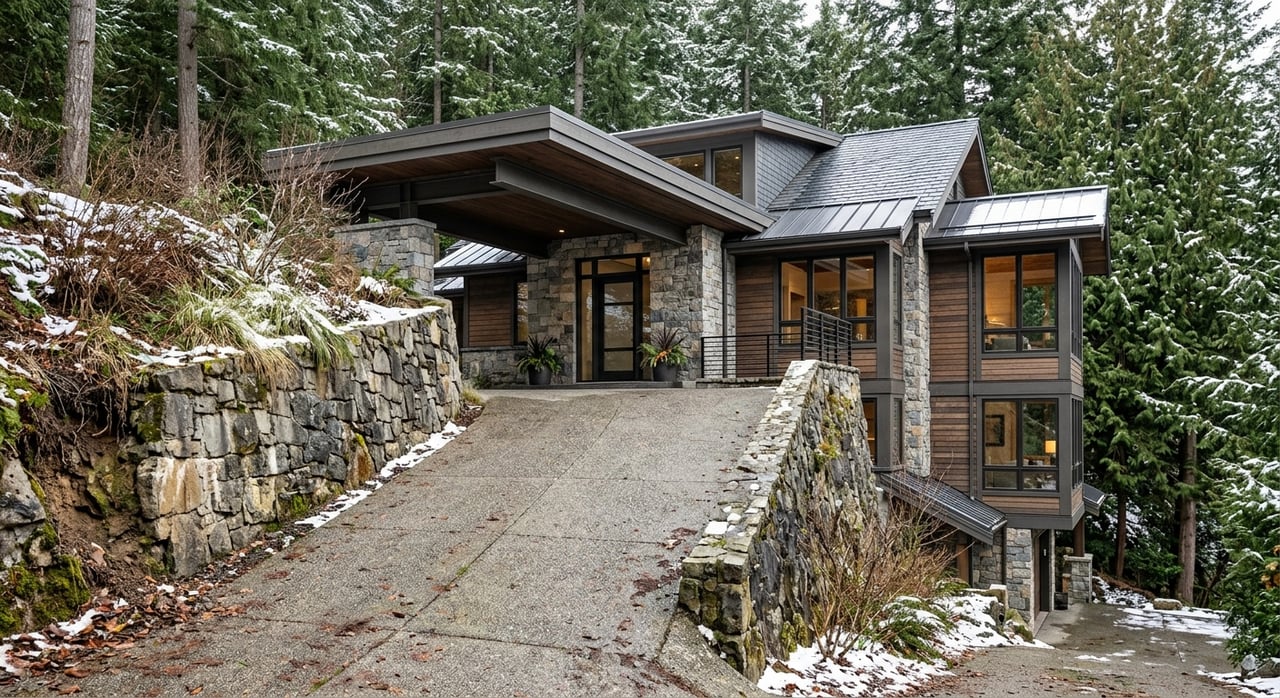
Thinking about buying in Golden’s foothills? The views, trail access, and sense of space can be hard to match, but these properties come with a different set of risks than a typical suburban home. If you are considering a foothill purchase, it helps to know where the value comes from, what can create extra cost, and what to verify before you move forward. Let’s dive in.
Golden’s foothill areas appeal to buyers who want a stronger connection to Colorado’s outdoor lifestyle. Jefferson County’s parks and open space system includes more than 58,000 acres and over 275 miles of trails, and Golden-area trails include city-, county-, and privately maintained segments.
That access to open land is part of the draw, but it is not the only reason buyers look here. Jefferson County’s rural-cluster planning goals also emphasize preserving open areas, scenic view corridors, and viewscapes, which helps explain why views can carry real market appeal in this part of the county.
For many buyers, the reward is simple. You may get a more secluded setting, stronger natural surroundings, and a home experience that feels very different from flatter suburban neighborhoods.
If you are buying in Golden’s foothills, wildfire risk should be one of your first considerations. Jefferson County says more than two-thirds of the county lies within a Wildfire Hazard Overlay District, and the county ranks first in Colorado for the number of homes in high and extreme wildfire risk areas.
That does not mean every foothill home is the same risk level, but it does mean you should approach the purchase with clear eyes. In or near natural vegetation, homes are often part of the wildland-urban interface, and the Colorado State Forest Service says a home’s survivability depends heavily on structural ignitability and defensible space.
In practical terms, wildfire due diligence should go beyond a standard inspection mindset. You want to understand how the house and site may perform, not just whether systems are currently working.
The Colorado State Forest Service recommends managing the home ignition zone from the structure outward. During your inspection period, it is worth reviewing:
These details can affect both safety and long-term maintenance. They may also shape what updates you want to budget for after closing.
Insurance is another big issue for foothill buyers. In Colorado, property insurance cost and availability have become a statewide concern because of hail, high winds, wildfire, and other disasters.
Colorado’s FAIR Plan exists as an insurer of last resort. According to the Colorado Division of Regulatory Agencies, homeowners coverage is capped at $750,000 for property and contents combined on an actual-cash-value basis, and applicants generally need three declinations from standard insurers before qualifying.
For you as a buyer, the takeaway is straightforward. Do not wait until the last minute to check insurability and premium estimates.
A beautiful foothill property can feel like a perfect fit until the insurance numbers come back. Getting quotes early can help you understand:
This is one of the easiest ways to avoid surprises before removing contingencies.
One of the most overlooked foothill issues is access. Jefferson County’s snow-removal program excludes private roads and roads that have not been formally accepted by the county, and some roads and rights-of-way in unincorporated Jefferson County are maintained by other entities, including Golden.
That means you should not assume county plowing, repairs, or emergency-access support. Road status matters, especially in winter or during severe weather.
A home can look ideal in dry conditions and feel very different during a snow event. If the property sits on a private or unaccepted road, the real ownership experience may include more uncertainty, more coordination, and sometimes more cost.
Before you remove contingencies, confirm:
Jefferson County also regulates new public and private streets, roads, and driveway work, and it provides driveway inspections and road inspections for county maintenance acceptance. That makes access due diligence especially important in this area.
Foothill lots often come with more site complexity than homes on flatter ground. Jefferson County flags steep and potentially unstable sites, including typically buildable areas with slopes of 30% or greater.
County geologic review may address slope stability, rockfall, mudflows, settlement, subsidence, and the suitability of wells, septic systems, and foundations. In other words, the lot itself can affect both safety and future project costs.
Retaining walls and grading can also trigger added requirements. Jefferson County says retaining walls over 3 feet must be engineered, and grading over a half-acre usually requires permit review.
If you are buying a hillside or more rural parcel, pay close attention to:
These issues do not always mean you should walk away. They do mean you should understand the site well enough to make an informed decision.
It is easy to focus on elevation and overlook water movement, but drainage matters even on hillside lots. Jefferson County says work in a FEMA or county-designated floodplain requires a floodplain permit.
Land disturbance and grading can also require permits once certain thresholds are met. If you are planning future improvements, that matters just as much as the home’s current condition.
For properties using private water or wastewater systems, county geologic review also considers well and individual sewage disposal system suitability. That adds another layer of due diligence for some foothill purchases.
A standard home inspection is important, but foothill homes often need a more focused review. You want contingencies that give you enough time to verify the property’s true carrying costs and risks.
At a minimum, buyers should strongly consider a review of wildfire mitigation features, road and driveway access, insurance availability, drainage concerns, and any site-specific geologic questions. The right contingency strategy can help you avoid making a decision based only on views and finishes.
Here is a simple checklist to keep in mind during the contract period:
If needed, the Colorado State Forest Service Golden Field Office can also serve as a local resource for mitigation guidance.
For the right buyer, Golden’s foothills can offer a lifestyle that feels hard to duplicate elsewhere in the metro area. Views, trail access, open space, and a more tucked-away setting are real benefits, and they are a big reason these homes continue to attract interest.
At the same time, the ownership experience is often more hands-on. Wildfire preparation requires ongoing maintenance, and road, drainage, retaining-wall, or geotechnical issues can create recurring costs that are less common in a typical suburban setting.
That does not make foothill properties a bad bet. It simply means they tend to reward buyers who value the setting enough to take on extra due diligence and long-term upkeep.
A foothill property may be a strong fit if you value privacy, scenery, and outdoor access and you are comfortable being proactive about maintenance. You may also be a good fit if you are willing to spend more time up front verifying insurance, access, and site conditions.
If your goal is the lowest-friction ownership experience, it makes sense to be especially careful. Road status, insurance availability, and site stability can have a big impact on how the home feels to own after closing.
The key is not avoiding these homes altogether. The key is buying with a full picture of both the rewards and the responsibilities.
If you are weighing a move in or around Golden, I can help you look past the surface details and focus on the practical issues that matter most. Reach out to Mike Bomgaars for local guidance, neighborhood insight, and a more confident buying strategy.

Mike Bomgaars is dedicated to helping you find the perfect home or sell for top value. With years of experience and a commitment to honest, hardworking service, he’s ready to guide you through every step of your real estate journey.