Pricing a luxury home in Cherry Hills Village is not like pricing a typical suburban listing. Low inventory, unique estates, and selective buyers make every decision count. If you plan to sell in the next year, you need a process that weighs lot prestige, amenities, and timing so you launch with confidence. In this guide, you’ll get a clear framework to price strategically, prepare your home, and market to the right buyers. Let’s dive in.
Cherry Hills Village market basics
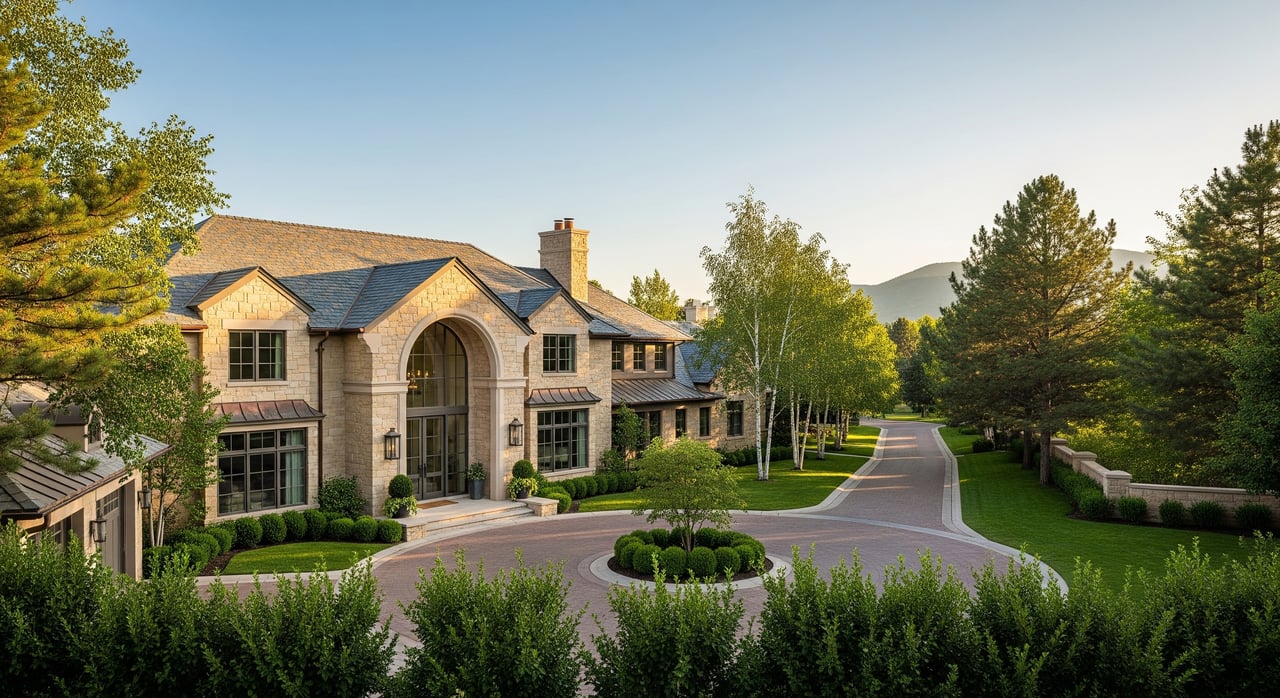
Cherry Hills Village is a true luxury micro-market in Arapahoe County just south of Denver. Sales volume is low and properties are often one-of-a-kind, so single metrics, like median price or average days on market, can swing from month to month. Instead of relying on one number, focus on property-by-property analysis rooted in recent, relevant sales.
When you want current local facts, use MLS data for active, pending, and sold listings in Cherry Hills Village. You can also verify parcel details and legal descriptions through county records. For broader luxury trends and common financing types, review state and national association reports.
Key value drivers to price
Buyers in this area pay premiums for specific, verifiable features. Use these factors to guide your adjustments when you price.
- Lot prestige and size. Acreage, usable land, privacy, and mature landscaping can be major multipliers. Views, southern exposure, and elevated positions add value.
- Location and address-specific prestige. Proximity to Cherry Hills Country Club, quiet cul-de-sacs, and school boundaries that matter to many buyers can influence value.
- Architecture, materials, and craftsmanship. Custom architect-designed homes and superior materials stand out versus basic spec builds.
- Privacy, security, and site improvements. Gated entries, perimeter landscaping, and topography that reduces road noise are highly valued.
- Functional amenities. Guest houses, pool complexes, indoor-outdoor entertaining spaces, wine rooms, home theaters, and equestrian facilities can meaningfully raise value.
- Condition, systems, and mechanicals. Buyers expect recent or warrantied roofs, windows, HVAC, and electrical systems, especially at higher price points.
- Market tempo and scarcity. One-of-few properties, like large flat estates or unique equestrian parcels, can attract competing offers.
Build a smart comp set
Start near your address, then expand only as needed to find true peers.
- Time window. Prioritize sales from the last 6 to 9 months when possible. If sales are sparse, extend to 18 months.
- Proximity. Begin within a 0.5 to 1 mile radius. For rare property types, widen to the full city.
- Amenity parity. Match on lot size within about 20 to 30 percent, architecture and age within about 10 years, finished square footage, bed/bath count, and major amenities.
- Price metrics. Use price per finished square foot and price per acre. For larger estates, price per acre may be more meaningful than price per square foot.
- Adjustments. Model conservative adjustments for lot premiums, substantial renovations, privacy, view, and functional differences. Avoid over-weighting cosmetic updates.
Quick checklist to assemble comps:
- Pull 6–18 months of sold data from MLS and note acres, square footage, amenities, days on market, and sale type.
- Include both nearby estates and citywide peers if your property is unique.
- Create a grid with low, expected, and high scenarios based on adjustment ranges.
A step-by-step pricing plan
This plan fits a 6 to 12 month selling window and gives you structure from prep through closing.
Weeks 0–3: Gather data and inspect
- Pull all relevant sold comps and pending listings from MLS.
- Collect parcel maps, prior permits, surveys, and a complete list of upgrades and renovations.
- Order a pre-listing home inspection and basic mechanical reports. Consider a pre-listing appraisal for unique or ultra-high-value homes.
Weeks 1–4: Model adjustments and scenarios
- Build a comp grid with price, price per square foot, acres, amenities, days on market, and net sale price.
- Model adjustments for lot, condition, amenities, privacy, and views.
- Establish three price bands: floor price, target price, and stretch price.
Weeks 2–6: Set your strategy
- If you want a quick, market-driven sale, price at or slightly below the target price to increase traffic and competition.
- If you prioritize price over speed, list at the target and prepare to adjust if feedback shows resistance.
- For privacy, consider a pocket or pre-market strategy. Understand you may trade some exposure and competition for discretion.
Weeks 6–12+: Launch and monitor
- Plan an aggressive 30 to 45 day marketing window with premium visuals and targeted outreach.
- Track qualified showings, buyer feedback, online engagement, and offers.
- If performance lags, use one well-timed price adjustment rather than several small cuts.
Negotiation and appraisal plans
- Expect appraisal challenges when comps are thin. Prepare a comp packet for the appraiser.
- Consider a pre-listing appraisal, appraisal-gap language, or structures that allow you to bridge differences with escrowed funds if needed.
Closing timeline expectations
- Jumbo loan reviews and inspections can extend timelines. Cash buyers can shorten them.
- Build in time for documentation on renovations, permits, and warranties to keep contract milestones on track.
Pre-market prep that adds value
In a luxury market, small details influence buyer confidence and final price.
- Complete visible maintenance. Refresh landscaping, touch up paint, and handle roof or exterior repairs.
- Address systems. Replace failing mechanicals or offer credible warranties and cost documentation for items not replaced.
- Document everything. Update surveys and plot plans, gather permits, and keep contractor invoices organized.
- Stage the right spaces. Focus on the kitchen, primary suite, and main entertaining areas. High-end staging helps buyers visualize lifestyle.
Premium marketing for luxury listings
Your buyer pool spans local UHNW families, relocating executives, and selective out-of-state buyers. Reach them with a deliberate plan.
- Visual assets. Use professional photography, aerial and twilight shots, cinematic video, 3D walk-throughs, and detailed floor and site plans.
- Distribution. List on the local MLS and syndicate across appropriate luxury networks and publications.
- Broker outreach. Host curated broker previews and private tours for top local and out-of-state partners.
- Direct targeting. Run paid digital campaigns aimed at high-net-worth audiences, use LinkedIn for executives, Instagram for storytelling, and email to private lists.
- Print and collateral. Create high-quality brochures and one-sheet property specs for brokers and qualified prospects.
- Private events. Offer invitation-only previews tailored to privacy needs.
- Measure results. Track qualified showings, pre-qualification quality, listing views, ad engagement, and offers.
Pick your pricing strategy
Each approach has trade-offs. Choose the one that matches your timeline and goals.
- Aggressive pricing. Slightly under market to spark attention and potential bidding. Risk: some buyers may perceive distress if presentation is not aligned.
- Target pricing. Positions your home among top-tier peers and protects prestige. Risk: longer market time, fewer showings, potential appraisal gap.
- Pocket or pre-market. Maximizes privacy and controls access. Risk: less exposure can limit competition and price discovery.
Your 6–12 month game plan
- Months 0–3. Complete inspections, gather documentation, finish light repairs, and build a full marketing kit.
- Months 3–6. Launch, drive your 30–45 day push, adjust as needed, and negotiate with appraisal strategies in mind.
- Months 6–12. If unsold, re-evaluate pricing, refresh visuals, and expand outreach through luxury and relocation networks.
Your next step
If you want a tailored valuation grounded in real comps and a clear launch plan, let’s talk. I specialize in South Metro Denver luxury micro-markets and will build a pricing model, prep checklist, and marketing strategy around your goals and timeline. Reach out to Mike Bomgaars to get a free home valuation or market consultation.
FAQs
How do I price a unique Cherry Hills estate?
- Use a wider 6–18 month comp window, expand the search radius to similar prestige areas when needed, and model conservative adjustments for lot, amenities, and privacy.
Do buyers here pay cash or use jumbo loans?
- Expect a higher share of cash and jumbo financing than mainstream markets; confirm the latest ratio by reviewing recent MLS sales in Cherry Hills Village.
Will staging and pro photography make a difference?
- Yes. Luxury buyers shop selectively and respond to high-quality visuals and curated spaces, which can improve traffic and perceived value.
Should I order a pre-listing appraisal?
- For unique or very high-value homes, a pre-listing appraisal can help set expectations and reduce appraisal risk during negotiations.
What about school boundaries and value?
- Many buyers consider school boundaries as part of overall location preference; verify the assigned schools directly with the district and avoid assumptions at the listing stage.
How can I mitigate appraisal gaps?
- Provide a comp packet, consider a pre-listing appraisal, negotiate appraisal-gap language, or plan to bridge differences with escrowed funds if needed.