New Construction vs Resale Homes in Parker: Pros & Cons
December 18, 2025
December 18, 2025
Should you buy a brand-new home or an established resale in Parker? It is a big choice, and the right answer depends on your timing, budget, and how you feel about taxes, warranties, and neighborhood vibe. In this guide, you will learn how new construction and resale homes compare in Parker, including incentives, metro district taxes, timelines, and long-term value. You will also get a clear checklist so you know exactly what to verify before you write an offer. Let’s dive in.
With new construction, pricing often starts with a base price, then adds lot premiums and upgrade packages. Builders may offer incentives like closing cost help, interest-rate buydowns, or discounts on inventory homes. These incentives change with the market and can vary by phase in a master-planned community. Always request the current incentive sheet in writing and confirm whether any offer requires using the builder’s preferred lender or title company.
Resale pricing is driven by local comparable sales, condition, lot, and age. You may get seller concessions for closing costs or repair credits, but you will not typically see bundled upgrade packages like you do with builders. Negotiability depends on local inventory and competition at the time you are shopping.
With new construction, your move date depends on whether you choose a quick move-in inventory home or a to-be-built plan. Typical build times for production single-family homes often run several months, commonly in the 4 to 12 month range. Weather, materials, and subcontractor schedules can cause delays. Builder contracts usually include completion language, so read timing and remedies closely. If a closing slips, plan for temporary housing or a flexible lease.
Resale homes can close much faster, especially if the seller has already moved. Your timeline is mostly driven by loan processing, inspections, appraisal, and negotiated repairs. Delays can still happen if the seller’s move depends on another closing, but overall the process is more predictable than building from scratch.
Many newer Parker communities are financed through metropolitan districts. These special districts issue bonds to build roads, utilities, parks, and other infrastructure, and they repay that debt through additional mill levies on your property tax bill. That means the effective property tax in a metro district can be higher than areas without district debt. Before you buy, review the district’s Public Offering Statement, which outlines bond debt, expected mill levies, and the anticipated term of the debt. Also confirm the current tax assessment with the Douglas County Assessor and Treasurer so you understand your first-year tax burden.
In established areas outside metro districts, your tax bill includes the usual overlapping jurisdictions like county, town, and school district. These rates can still change over time based on local voter approvals, so get current figures as part of your budgeting.
New homes often include a staged warranty structure. Industry norms are commonly 1 year for workmanship and materials, 2 years for systems and mechanicals, and up to 10 years for major structural components. Builders may administer warranties directly or use a third-party provider, and many offer formal walk-throughs and punch-list repairs during the first year. Ask for a written warranty summary and the claim process, including response timelines.
Most resale homes do not come with a builder warranty. You rely on inspections, seller disclosures, and negotiated repairs. A third-party home warranty can sometimes be included or purchased, but coverage and limitations will differ from builder warranties.
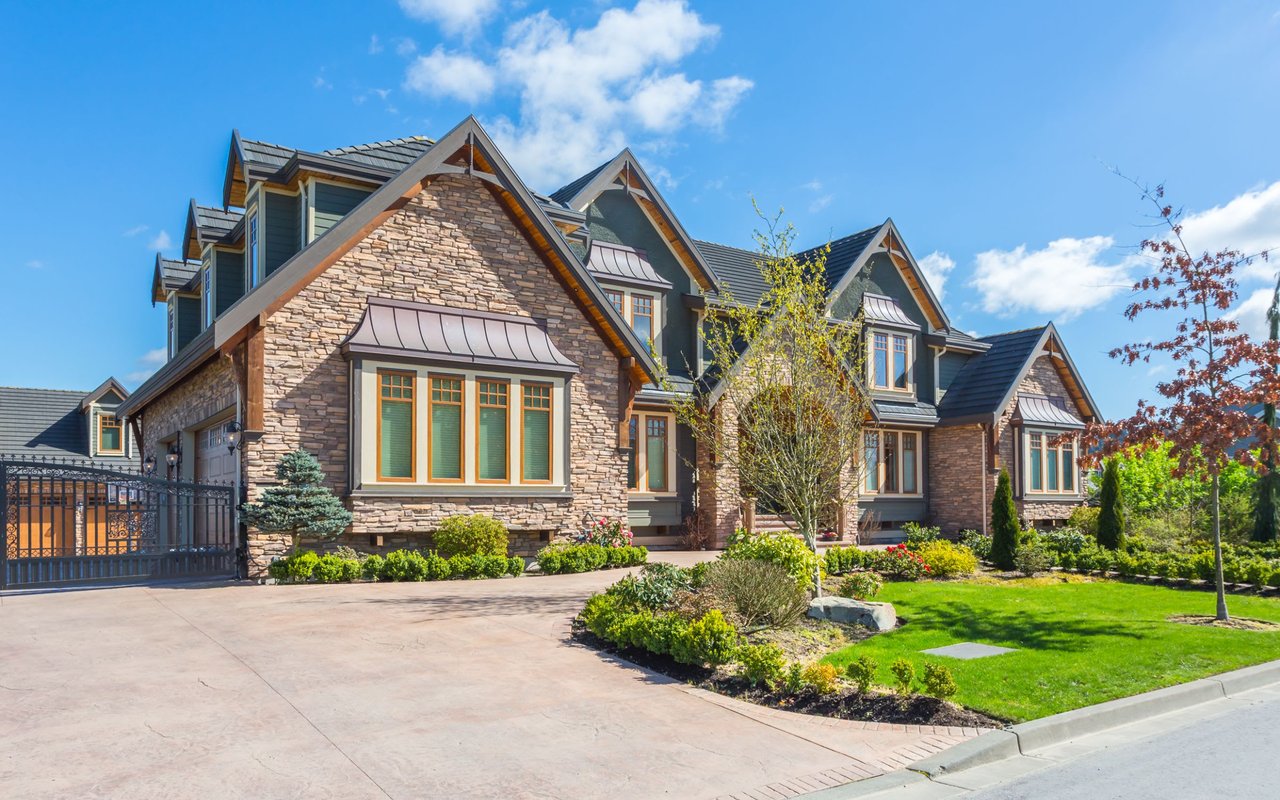
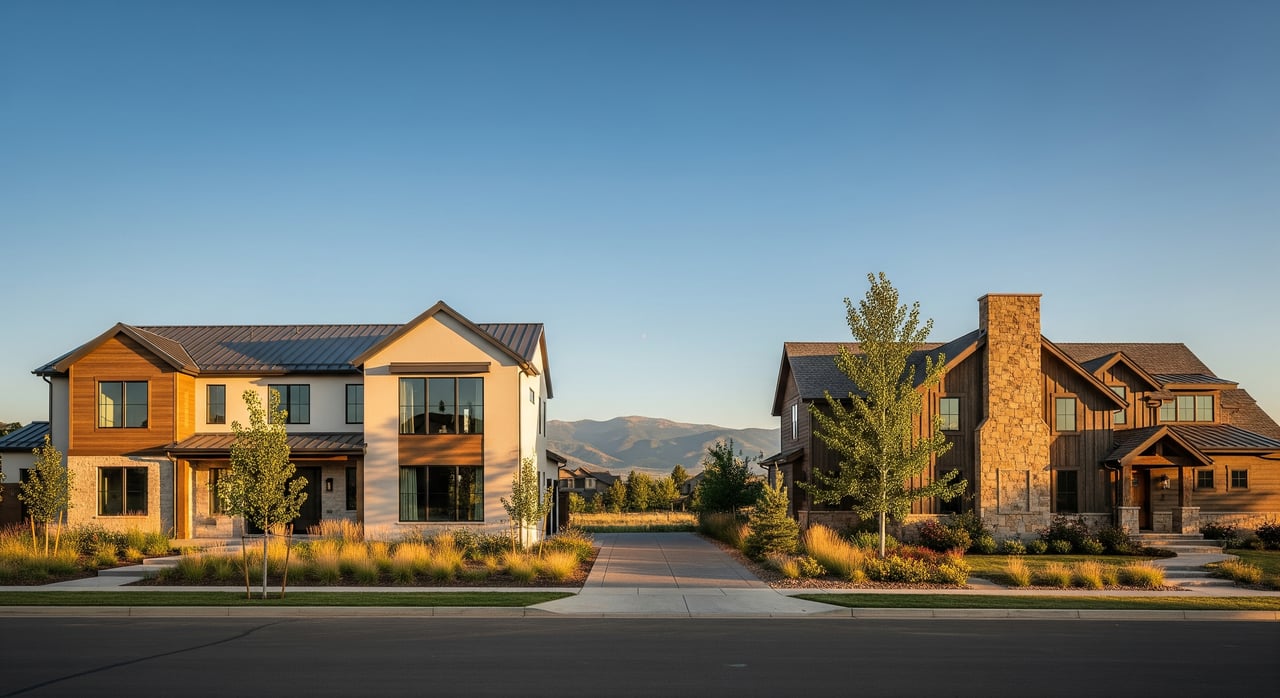
Master-planned new communities in Parker commonly include parks, pools, trails, and clubhouses. You will see modern design standards and consistent maintenance through HOAs. Early phases may have younger landscaping, and some amenities roll out in stages, so it can take time for the neighborhood to fully mature.
Established neighborhoods offer immediate character, mature trees, and often more varied lot sizes. You may trade some newness for older amenities or a mix of home updates across the block. Review any HOA rules and budgets so you understand maintenance plans and reserves.
New homes tend to feature modern layouts, current energy codes, and new systems, which can limit near-term maintenance. Short term, however, appreciation can be moderated by builder pricing strategies or a high concentration of similar homes in the same phase. Over time, well-located, well-maintained communities often hold value, especially where amenities, connectivity, and demand remain strong.
Resale homes benefit from established comparable sales and mature curb appeal. They can command premiums if systems are updated and maintenance is current. Older systems or deferred maintenance can reduce buyer confidence, so factor those items into your budget and negotiations.
Resale prices reflect local comps, condition, and lot specifics such as views or privacy. You can negotiate on price and terms based on inspection findings, appraisal outcomes, and market competition. You will not pay builder lot premiums or choose finish packages, but you may pay for updates later if the home is dated.
If you need to move quickly, resale often offers a shorter path to closing. You can usually align closing with your lease end or sale timeline more precisely. Inspections and repairs add steps, but they are known quantities compared to new-build construction schedules.
Your total tax bill reflects all overlapping jurisdictions and any special districts that apply. Many established neighborhoods are not in metro districts, which can mean a lower effective rate than a brand-new development with debt service. Verify the current tax record for the specific property and compare it to similarly priced options so you get a true apples-to-apples monthly cost.
Resale homes can deliver instant mature landscaping and a finished neighborhood environment. At the same time, you should review the age and remaining life of the roof, HVAC, water heater, windows, and major appliances. Factor these future costs into your offer and long-term budget.
Many buyers specifically seek older neighborhoods for their tree cover, lot sizes, or architectural variety. If you want an established setting and you are comfortable customizing over time, a resale can be a strong fit. If you prefer unified design standards and brand-new systems, new construction may feel more natural.
If you want a clear side-by-side look at specific Parker neighborhoods, incentives in current phases, and real tax estimates for your budget, you do not have to sort it out alone. Reach out for local, hands-on guidance and we will build an action plan that fits your timing and goals. Connect with Mike Bomgaars to get started.
Mike Bomgaars is dedicated to helping you find the perfect home or sell for top value. With years of experience and a commitment to honest, hardworking service, he’s ready to guide you through every step of your real estate journey.